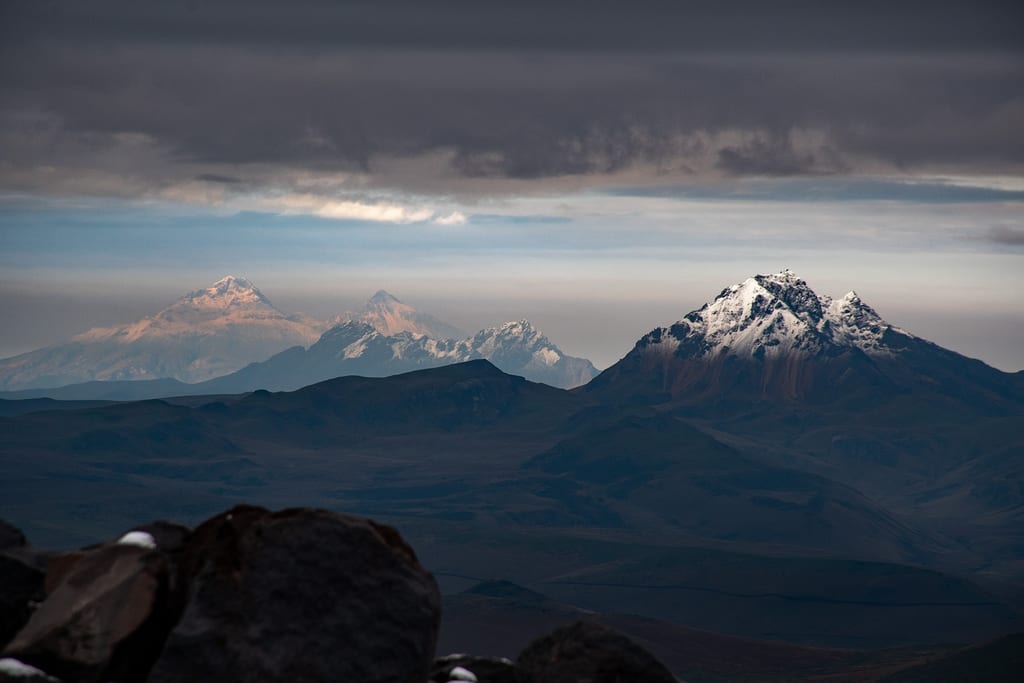
Every guest asks the same question before a trip: "what do I actually need to bring?" The honest answer disappoints most people — you need far less than you think. Here's the exact list we send before every hiking photo tour.
One body, two lenses
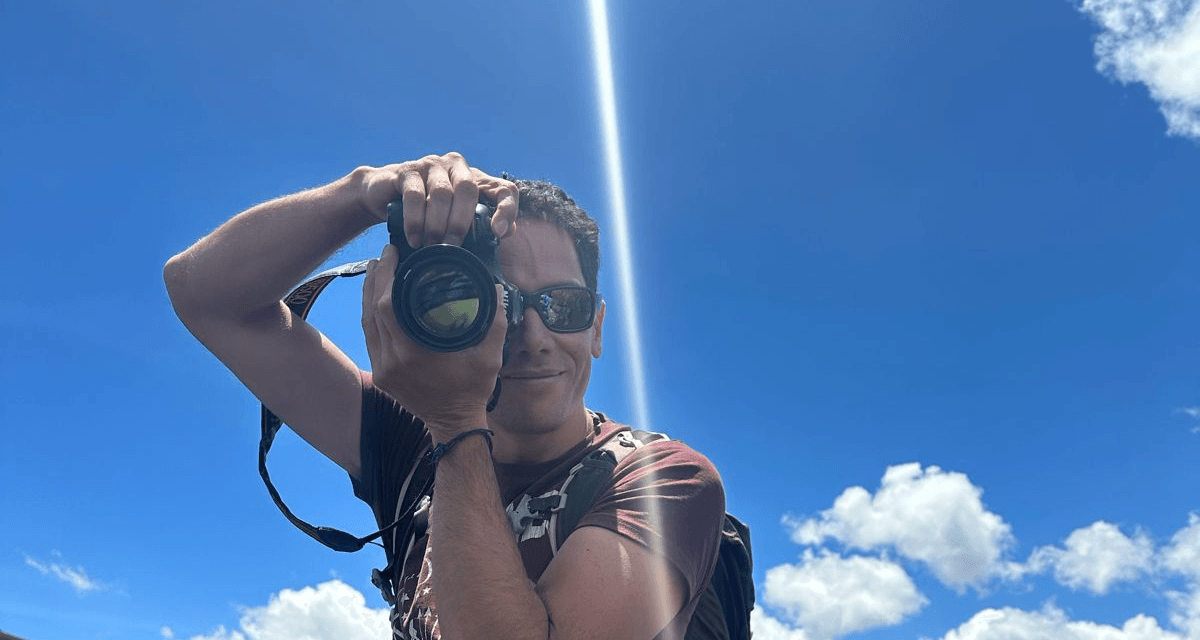
A single camera body is enough for anyone who isn't shooting professionally on assignment — carrying a backup body "just in case" adds weight you'll resent on day three and rarely gets used. For lenses, a 24–70mm covers landscapes, environmental portraits and most market or village scenes, while a 70–200mm handles wildlife, tighter portraits and any subject you can't (or shouldn't) walk right up to. That's it. A third specialty lens is only worth the weight if you already know exactly why you need it.
The accessories that actually matter
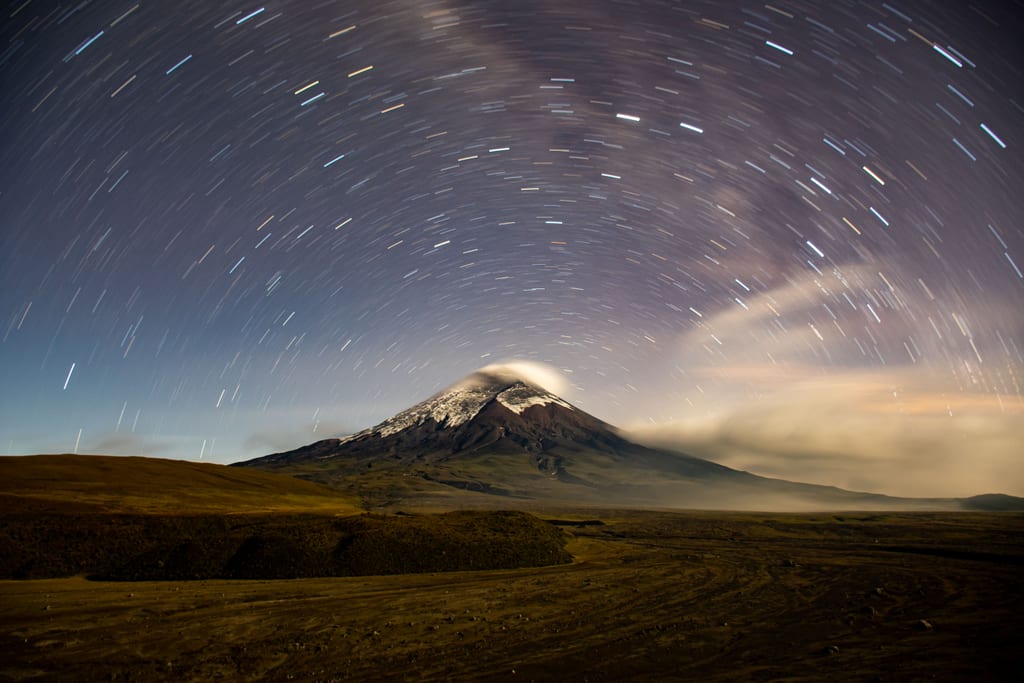
A polarizing filter cuts glare on water, wet leaves and snow — genuinely useful across every region we visit. A lightweight travel tripod matters for astrophotography nights and any low-light interior shot, but skip the heavy studio tripod; you'll carry it and never use it. Bring double the memory cards and batteries you think you need, plus a dry bag or rain cover — weather changes fast at altitude and in the Amazon alike.
What to leave at home
External flashes rarely get used outside of controlled portrait sessions and add real weight for little payoff on a hiking itinerary. Heavy prime lens collections are a trap — versatility beats maximum sharpness when you're also managing altitude and long walking days. And unless you already shoot drone regularly, don't learn on the trip; several of our locations, including national parks and indigenous communities, restrict or prohibit drone use entirely.
Final thought
The photographers who come back with the strongest portfolios are almost never the ones carrying the most gear — they're the ones who packed light enough to stay comfortable, alert, and ready when the light actually shows up.