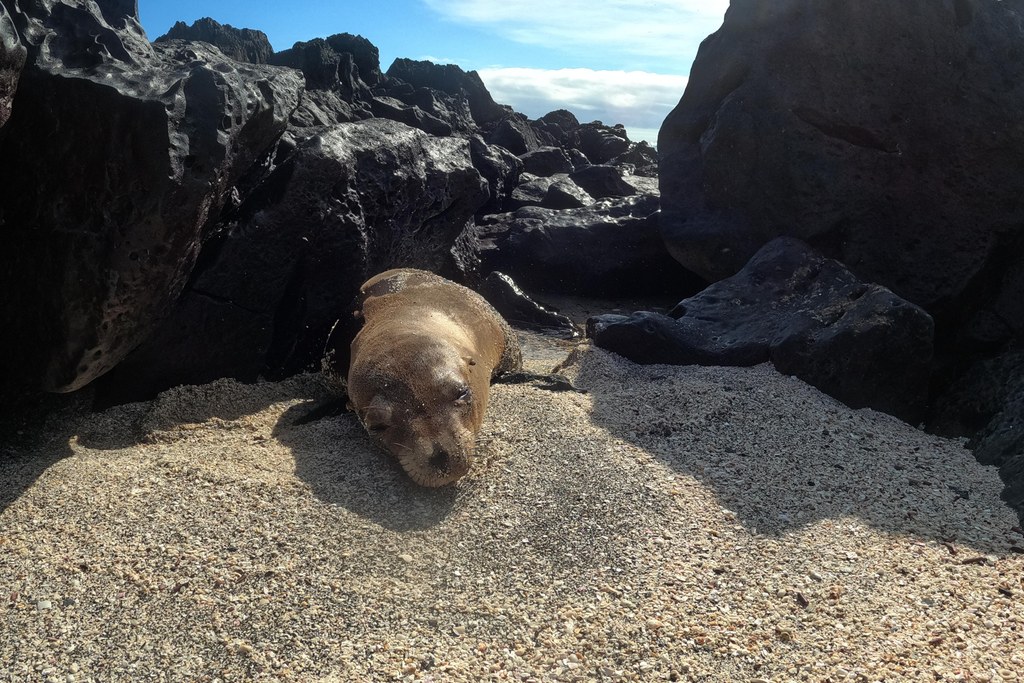
"When should I go?" is the first question every Galápagos traveler asks, and the honest answer is that there's no wrong month — only different pictures. What changes season to season is the behavior on offer, the water temperature, and the quality of light.
The islands sit on the equator but two ocean currents — the warm Panama current and the cold Humboldt current — trade places through the year, and that handoff drives almost everything worth photographing.
December–May: the warm season
Warmer water, calmer seas, and blue skies dominate. This is courtship season: waved albatross perform their clacking-beak dance on Española, frigatebirds inflate scarlet throat pouches to absurd size, and blue-footed boobies show off their feet in a stiff-legged strut. Skies are clearer, which means harder light at midday — plan around golden hour more deliberately.
June–November: the garúa season
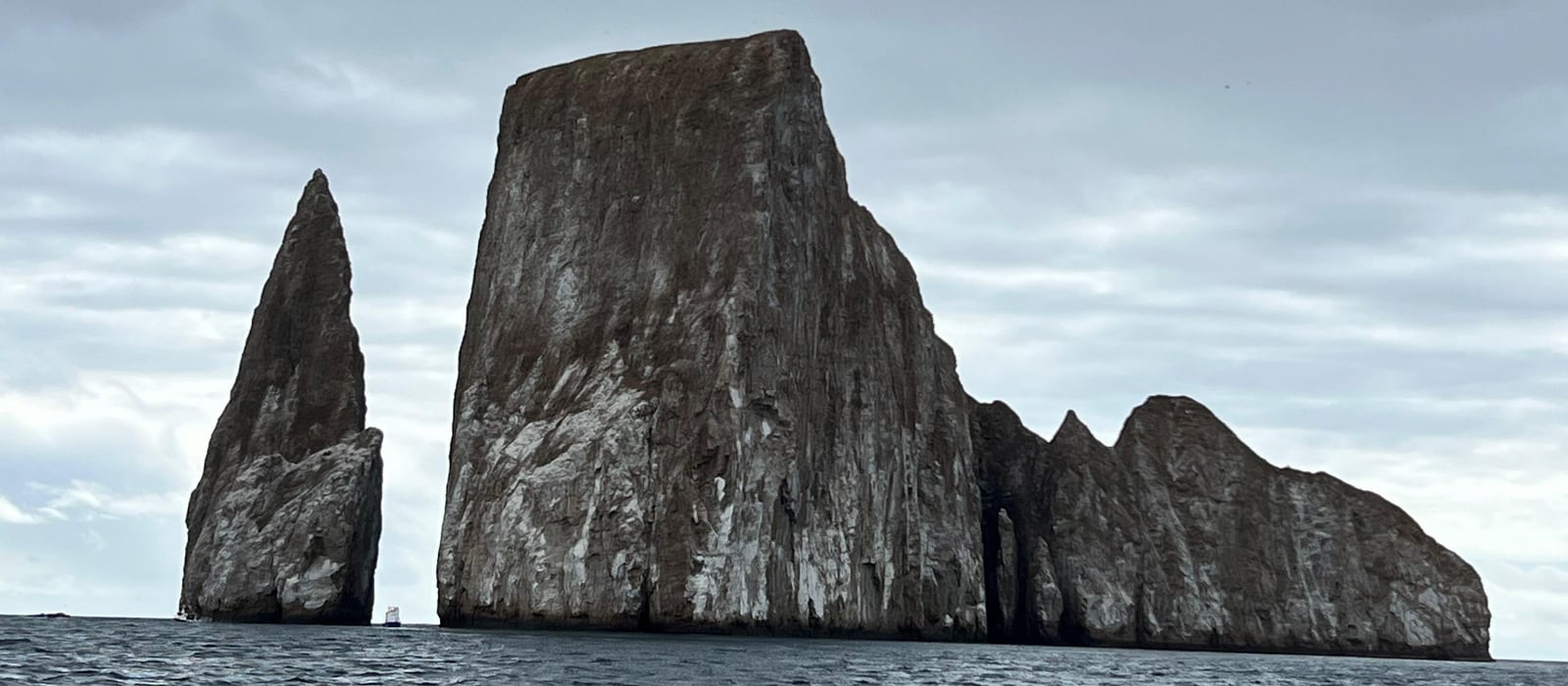
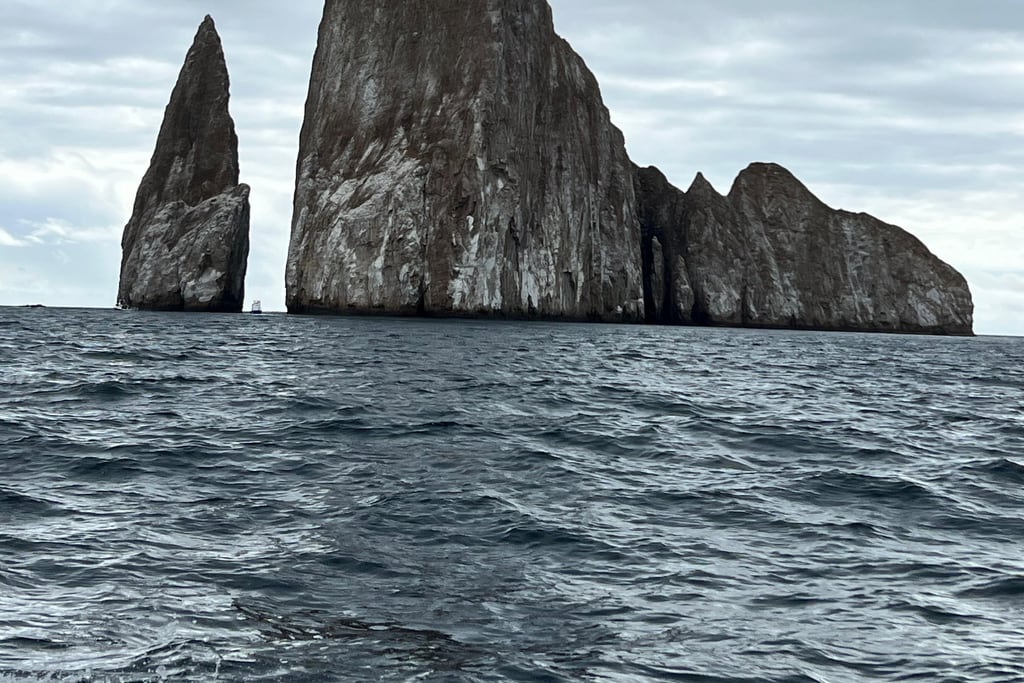
Cooler water brings nutrient upwelling, which means more marine life and better odds with penguins, sea lions, and marine iguanas feeding. The trade-off is a persistent low overcast (locals call the mist "garúa") — but for portrait-style wildlife shots, that soft blanket of cloud is a gift. No harsh shadows, no blown highlights on white feathers.
Booking around a specific species
Landing slots on the most photogenic outer islands — Española, Genovesa, Fernandina — sell out six to twelve months ahead, especially during the warm-season courtship window. If there's one animal or behavior you're building the whole trip around, check its breeding calendar first and lock in dates before anything else.
Final thought
There's no bad season here, only a different shot list. Decide what you actually want — courtship displays or underwater action, dramatic light or soft overcast — and let that pick your month, not the other way around.