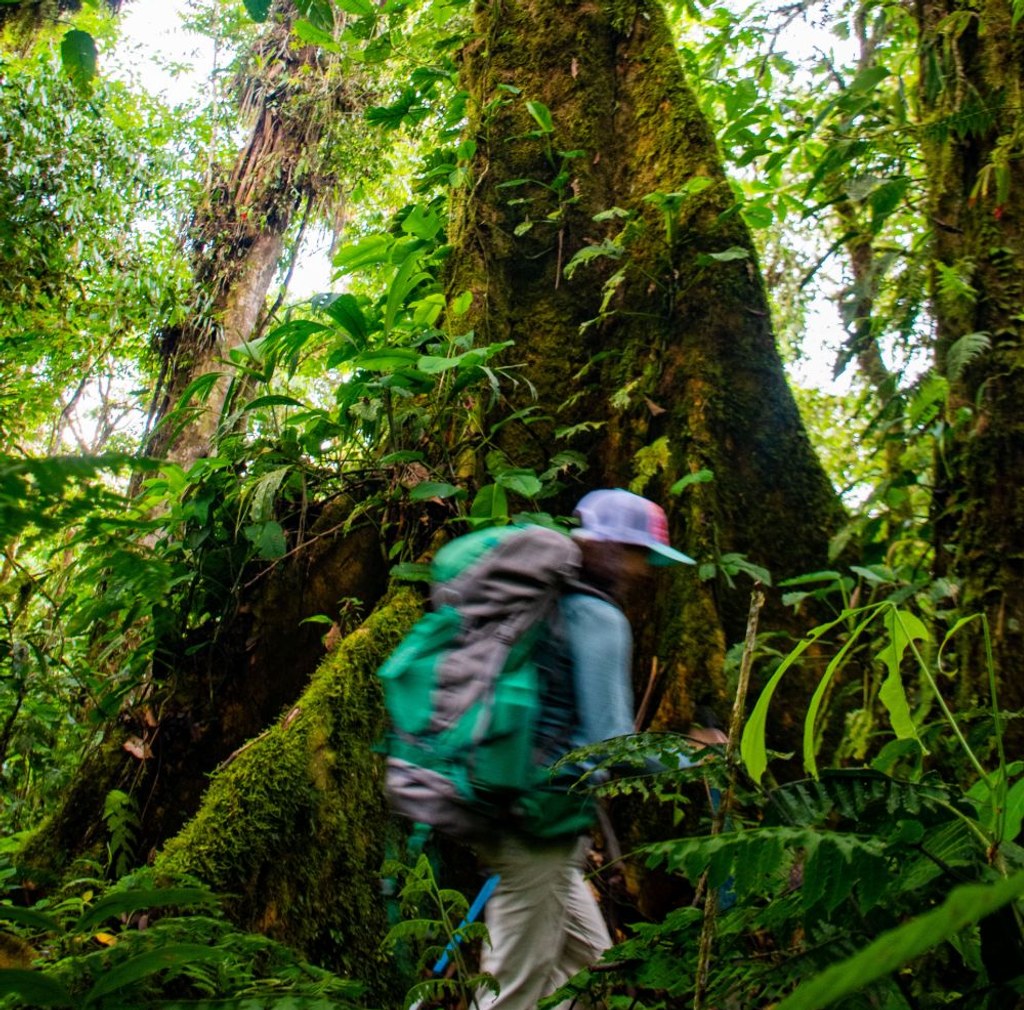
The Amazon is the hardest environment we shoot in — not because the subjects are elusive, but because the canopy fights you for every stop of light, humidity attacks your gear the moment you step off the boat, and the people who live there deserve a camera pointed at them with real consent, not a drive-by shot from a group tour.
Humidity-proofing your kit
Condensation, not rain, is the real threat — moving from air-conditioned lodges into 90%+ humidity fogs lenses from the inside in minutes. Let gear acclimate in its bag for 20–30 minutes before opening it. Silica gel packets in every pouch, a rain cover you actually use (not just carry), and a rocket blower for daily sensor and lens checks are non-negotiable. We've seen more gear ruined by humidity than by any river crossing.
Shooting in three stops less light
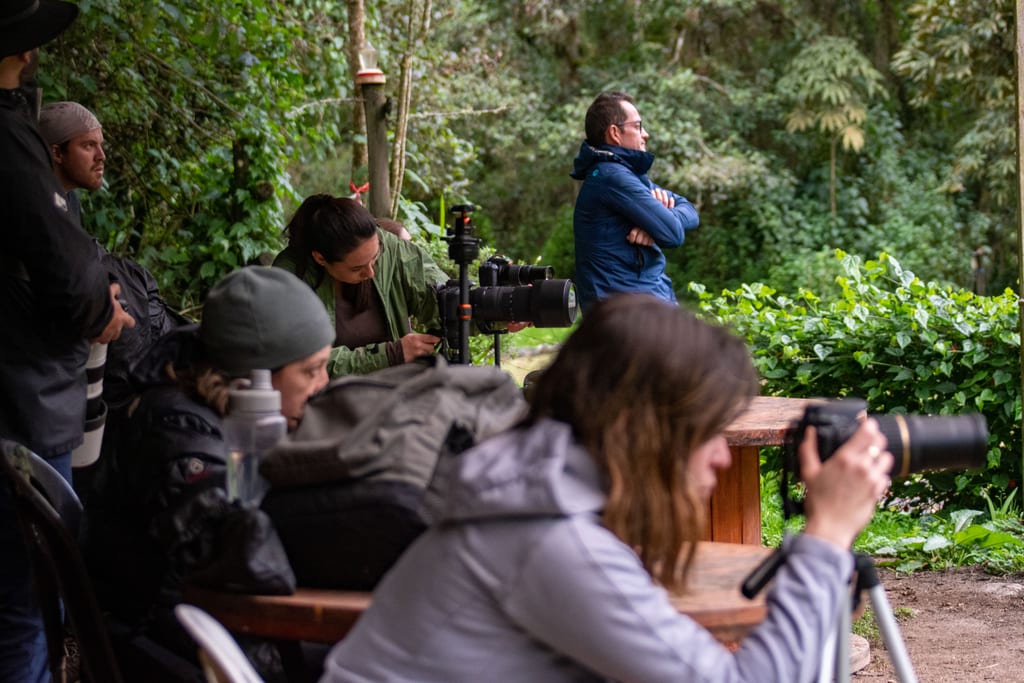
Primary rainforest canopy blocks the majority of overhead light — expect to work two to three stops darker than an open landscape at the same time of day. Push ISO without fear (modern sensors handle 3200–6400 cleanly), shoot wide apertures, and accept slower shutter speeds for static subjects. For anything moving — birds, monkeys, water — a monopod earns its weight far more than in any other environment we guide.
Photographing communities respectfully
Several indigenous nationalities — Kichwa, Waorani and others — live along the rivers we visit, and photographing them is a privilege, not a given. Always ask first, through your guide if there's a language gap. Some communities welcome photography as part of a paid cultural visit; others don't want cameras at all during specific activities. Never photograph children without a parent's explicit consent, and if you're offered the chance to buy a craft or contribute directly to the community, take it — that's what makes responsible tourism actually work.
Final thought
The rainforest rewards patience and preparation more than any lens you bring. Protect your gear, expose for the darkness rather than fighting it, and remember that every person you photograph is not a subject — they're a host.